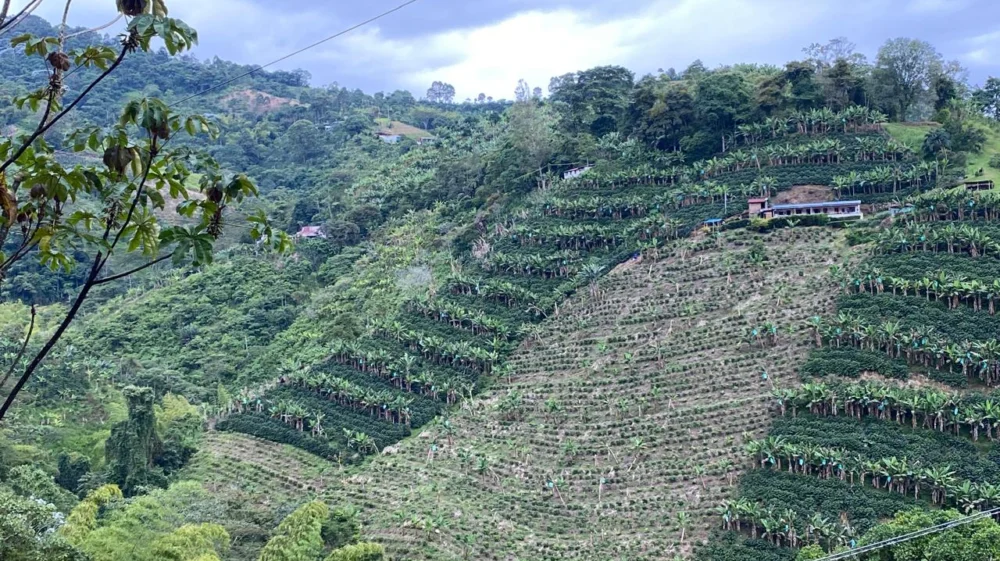
The model supports the transition toward more sustainable and climate-friendly food systems by promoting local and organic food, reducing food waste, and supporting healthier diets.
The project provided the evidence base for a forthcoming regulation by the Ministry of Climate, establishing mandatory environmental criteria for public catering from 2027 onwards.
SEI Tallinn was the lead partner of the study, responsible for developing the methodology, the criteria model, and the impact assessment. The centre organized stakeholder engagement, piloted the criteria model, and prepared the policy recommendations. SEI Tallinn contributed with its extensive experience in green public procurement, circular economy, and sustainable food systems.
SEI Tallinn – project management, development of the criteria model, impact assessment, control principles, policy recommendations, stakeholder engagement and piloting support.
Estonian University of Life Sciences – agricultural and primary production expertise, analyses of the Estonian market and self-sufficiency.
The project was commissioned and funded by the Ministry of Regional Affairs and Agriculture of Estonia.
The project’s final report and the model of environmental sustainability criteria (in Estonian) are available on the project’s Estonian-language website.
Head of Unit, Senior Expert (Green and Circular Economic Transformations Unit)
SEI Tallinn
Project / Projekti StratKIT eesmärk on edendada jätkusuutlike toitlustusteenuste kasutamist Läänemere piirkonnas.
Project / CircPro projekti eesmärgiks on läbi ringhangete (circular procurements) rakendamise suurendada üleminekut ringmajandusele.
Project / Projekt keskendub kemikaaliohutuse, kliima ja ringmajanduse põhimõtete integreerimisele kohalike omavalitsuste hankeprotsessidesse.