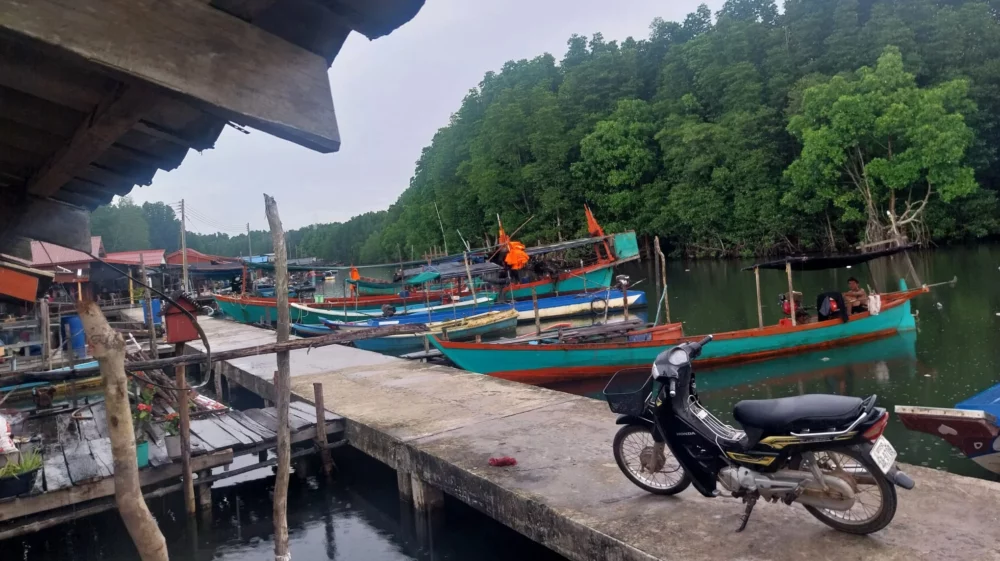
Photo: Erol Ahmed / Unsplash
How can we meet the nutritional needs and expectations of a growing world population? And how do we do it without compromising long-term sustainability? SEI research explores the transition to sustainable food and agricultural systems.
995 results / 2 of 111 pages
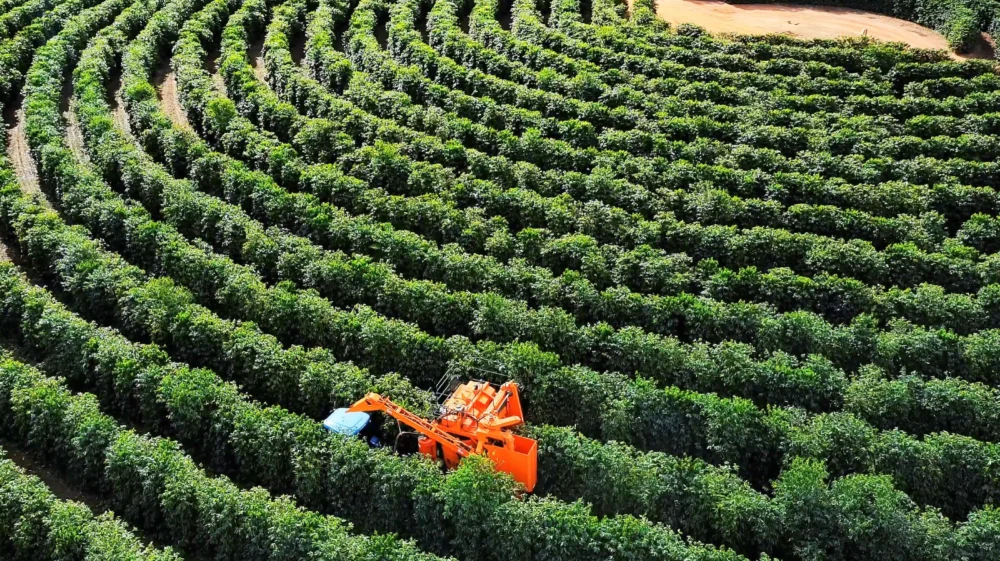
Press release / New data from Trase reveals that the majority of the coffee imported globally comes from companies that supply the European market.
Journal article / This study examines the role of different farm sizes in forest-risk commodity production and the implications for implementing the EU Deforestation Regulation.
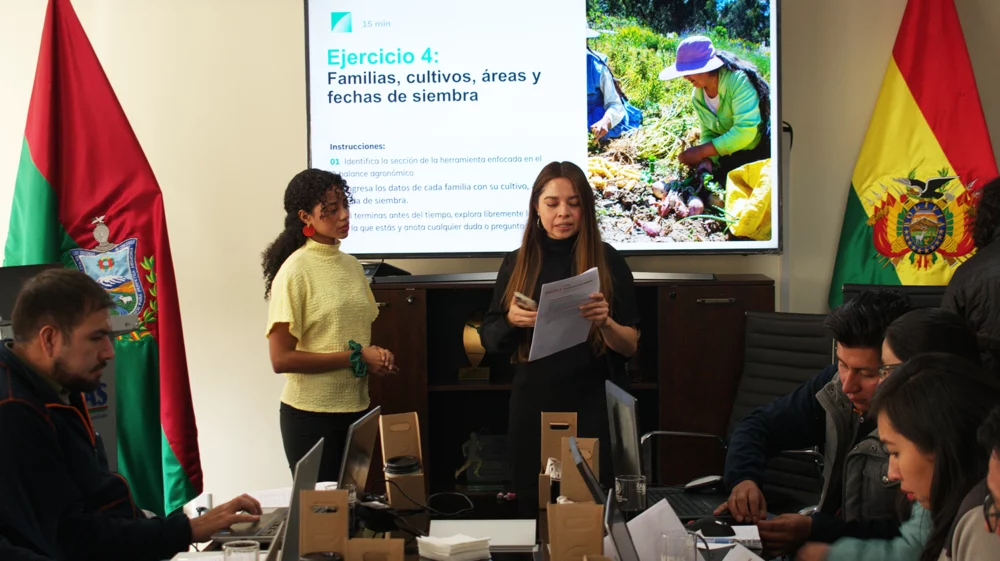
Feature / SEI collaborated with Sustainable Food Systems Ireland to develop the Malawi Food Systems Transformation Tool using the SDG Synergies platform.
Other publication / An open-access Trase dataset mapping global coffee supply chains, including trader information and subnational sourcing patterns.
Other publication / The synthesis of narratives from AgriFoSe2030 project reports and program evaluation documents was led by Selorm Kugbega, Brenda Ochola and Lovisa Hast.
Perspective / This piece looks at the gap between policy labels and lived reality when livelihood practices are branded as nature-based solutions.
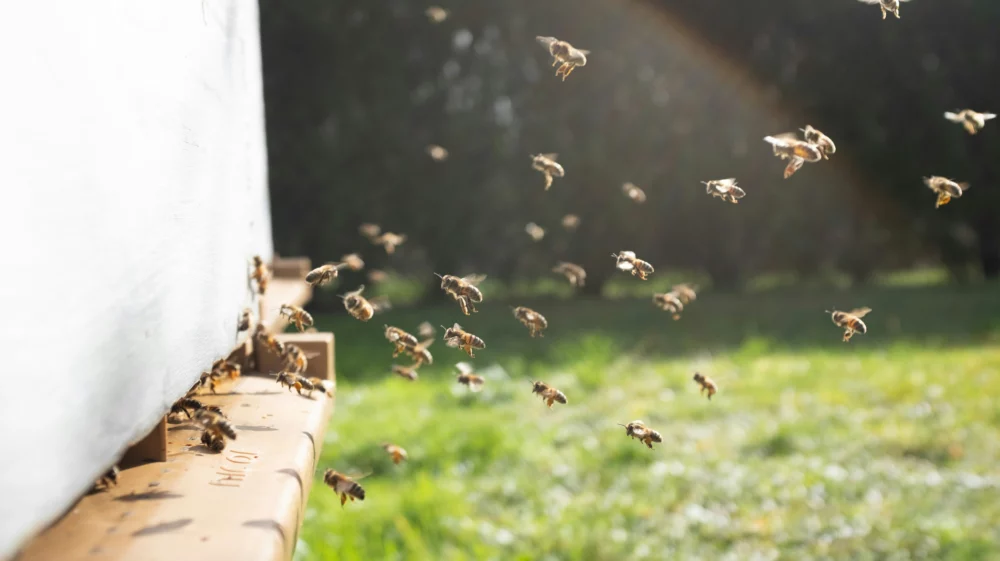
Other publication / This study finds that air pollution harms not only human health but also insect pollinators, with potential impacts on crop and food production.
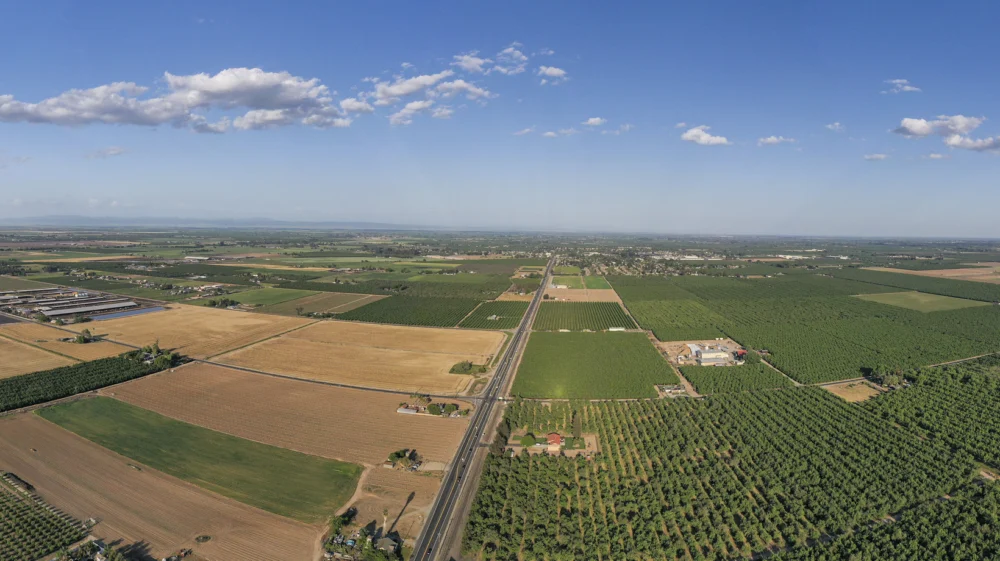
Project / SEI is creating an automated tool that processes remotely sensed data to determine cropping patterns in agricultural areas in California.
Media coverage / SEI Senior Scientist Cleo Verkuijl co-authored a column in the SDG Knowledge Hub calling for integrating animal welfare into the sustainable development goals.