A clean, affordable, reliable supply of energy for basic needs is widely seen as a necessary for lifting people out of poverty and improving well-being. SEI examines how energy needs for human and economic development can be met in a way that is compatible with long-term sustainable development.
308 results / 4 of 35 pages
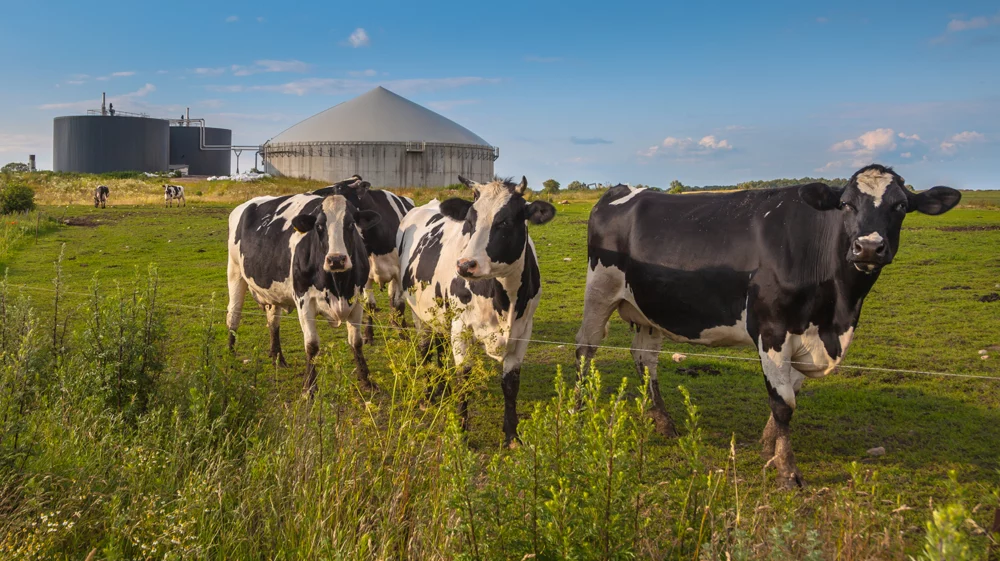
Feature / The Resource Recovery Toolbox collects and curates tools for planning and implementing resource recovery.
SEI brief / WEAP and LEAP tools can help governments align their mitigation and adaptation strategies to maximize their limited climate finance in water and energy systems.
Other publication / A new Oxfam report draws on SEI research highlighting the disproportionate greenhouse gas emissions generated by upper-income populations.
Other publication / This chapter of the Handbook on Electricity Regulation explores how energy regulation can adapt to uncertainties on the path to net zero.
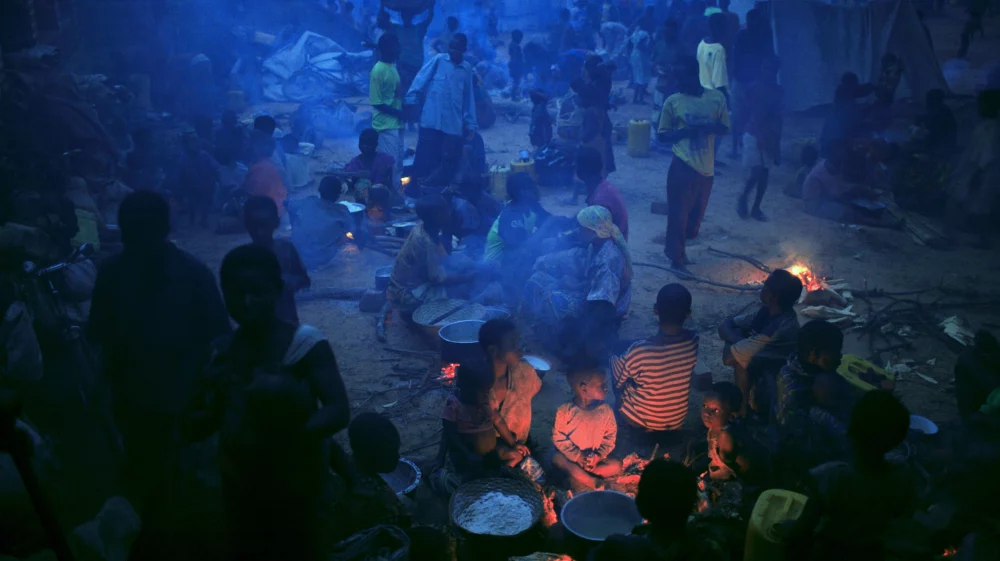
Feature / This Q&A outlines why SEI is taking on research to address clean energy access and climate change-related concerns in humanitarian settings.
Feature / SEI’s long-term work on air pollution helped shape Africa’s air quality policy, as the UN recognizes the Africa Clean Air Program in 2024.
Feature / SEI's "Humanitarian Energy and Climate Transitions" research agenda aims to address renewable energy and climate-related issues in humanitarian settings.
Feature / SEI recently organized a discussion to explore the rapid changes and future trends in collaboration of Baltic Seas countries in the wake of Russian aggression.
Feature / Using SEI’s WEAP and LEAP tools, researchers developed projections of water and energy demand and supply in the catchment through to 2030.