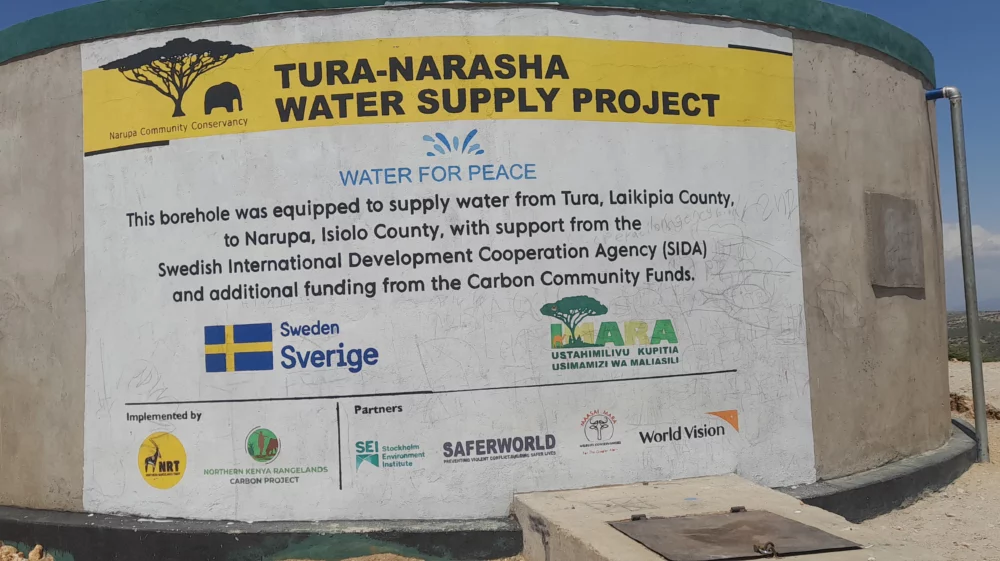
The Integrated Management of Natural Resources for Resilience in the ASALs (IMARA) project was implemented and coordinated by SEI, World Vision Kenya (Lead partner), Northern Rangelands Trust (NRT), Saferworld and Maasai Mara Wildlife Conservancies Association (MMWCA). The program’s overall objective was to increase the resilience of marginalized households to climate change-related shocks through diversified livelihoods and improved natural resource management and use.
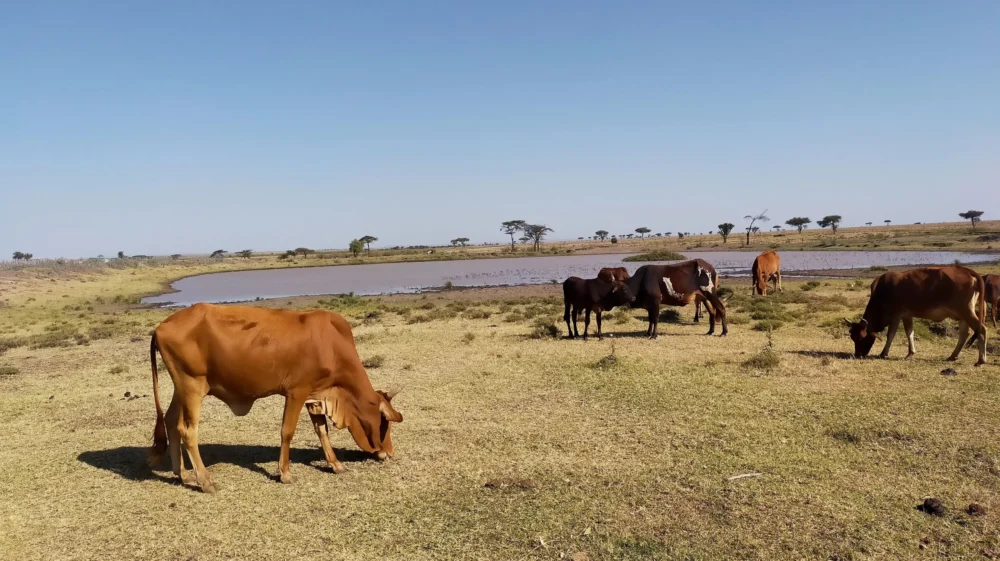
The first phase of the project was deployed in the ASAL Counties of Isiolo, Laikipia, Marsabit and Samburu, while the second phase added the counties of Elgeyo Marakwet, Narok, Turkana and West Pokot. Most of the land in the program area is communally owned and the land use practices are mostly unsustainable. Again the increasing demand for diminishing resources compounded with the impacts of climate change necessitates an integrated approach for managing the resources for improved livelihoods, resilience and sustainable utilization.
IMARA Program, in addition to the ongoing efforts by national and county governments, contributed to increasing the resilience of marginalized households to climate-change-related shocks through diversified livelihoods and sustainable natural resources management and use. The Program was anchored in County Integrated Development Plans (CIDP), National ASAL Strategies, Ending Drought in Emergencies (EDE) framework and SIDA’s strategy towards a healthy and better environment for all. The program also put in place effective partnerships at Community, County and National level.
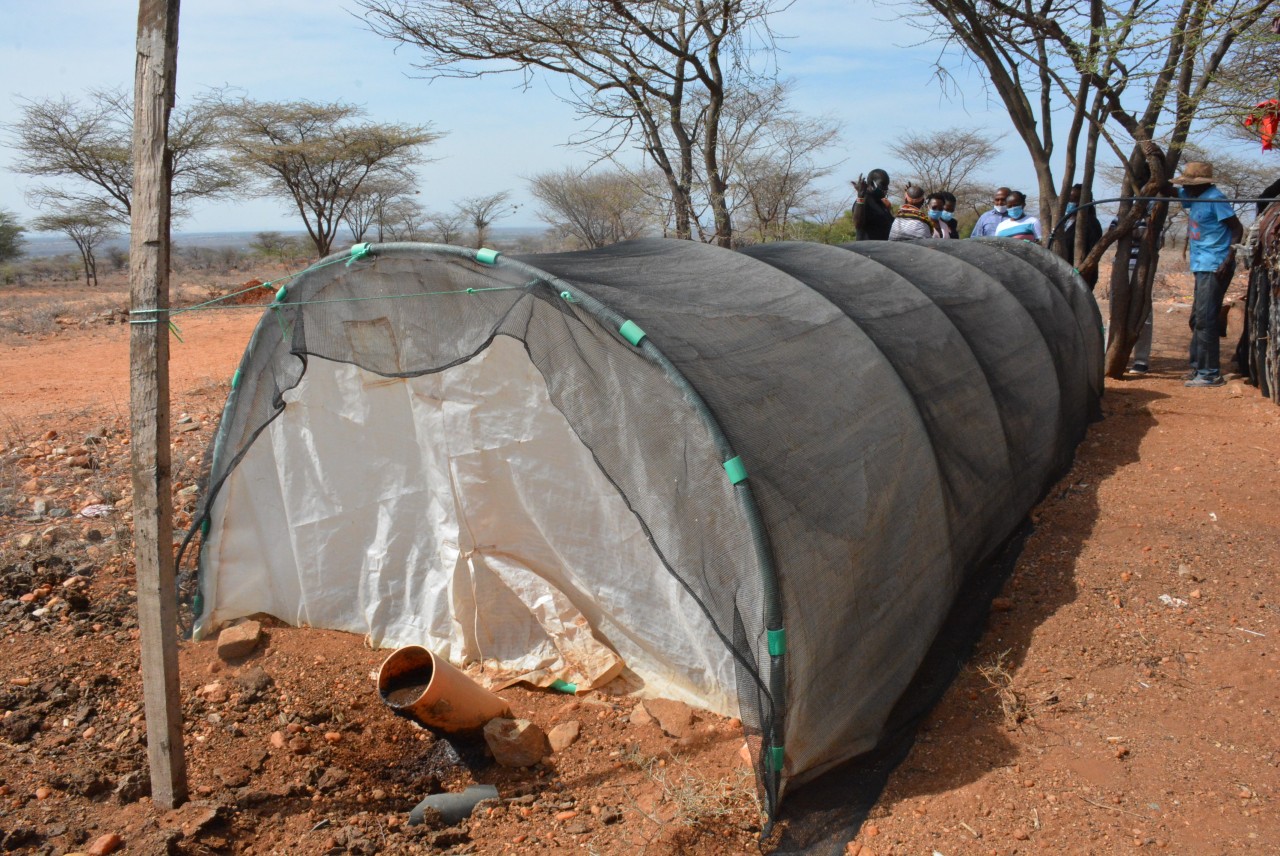
A biodigester installation in the county of Samburu in Kenya for clean energy access. Photo: SEI/Lawrence Nzuve
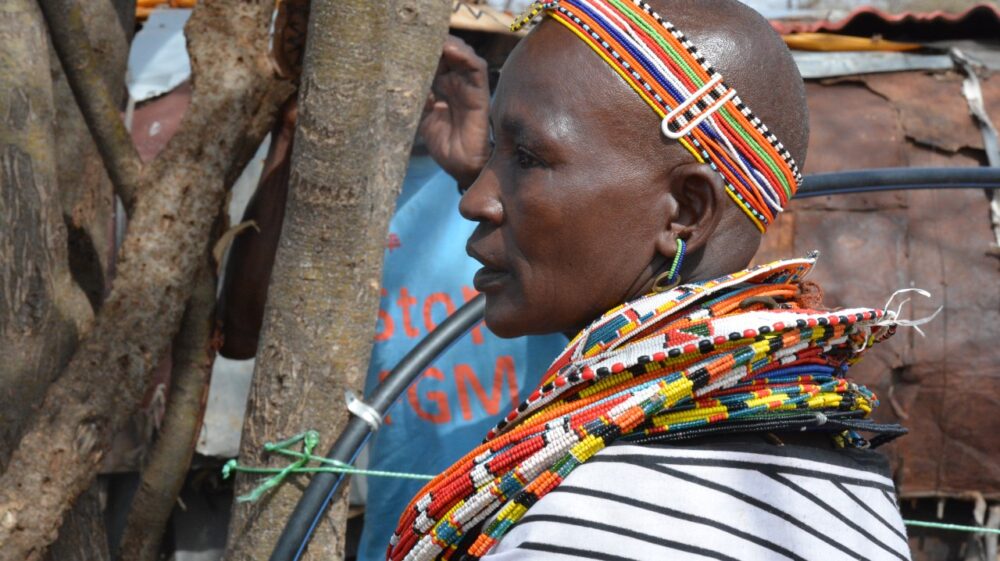
Photo: SEI
The IMARA project goal is “to increase the resilience of marginalized households to climate-change-related shocks through diversified livelihoods and improved natural resource management and use in the ASAL Counties of Isiolo, Laikipia, Marsabit, Samburu, Elgeyo Marakwet, Narok, Turkana, and West Pokot by end of 2025. This was the second phase of the project (2022-2025). This goal was pursued through the following:
Learn how SEI is increasing the resilience of marginalized households to climate change related shocks.
Feature / The global distribution of species has is more homogeneous from the degradation and decline of native species due to the introduction of invasive alien species.
Feature / It is not every day that you encounter a convergence of the traditional and the modern in deep rural Kenya, especially in the nomadic north.
Feature / SEI Africa strengthens capacity of communities in Narok, Kenya to sustain climate-resilient projects for years to come, under the IMARA program.
Perspective / By reducing cooking time and fuel collection burdens, energy-efficient wood-burning stoves and biogas have empowered women.
Perspective / SEI researchers worked with other organizations to test how water management might improve the well-being and environment of local communities
SEI ensures the project interventions are evidence-based. As the dedicated knowledge partner we lead the research that directly informs and shapes all project interventions.
SEI report / This report examines nature-based value chains in four counties in Kenya to determine current and future impacts and opportunities related to climate change.
SEI working paper / The researchers analysed spatial land use data for the past two decades for primarily arid and semiarid lands (ASAL) to project forest cover in Kenya by 2050.
Journal article / To build climate-resilient value chains, the study proposes the Value Chains for Arid and Semi-Arid Regions approach.
SEI report / This analysis of the landscape of climate finance in Kenya's arid and semi-arid counties focuses on Elgeyo Marakwet, Turkana, West Pokot and Narok.
Feature / It is not every day that you encounter a convergence of the traditional and the modern in deep rural Kenya, especially in the nomadic north.
Feature / The global distribution of species has is more homogeneous from the degradation and decline of native species due to the introduction of invasive alien species.
Feature / SEI and partners helped to reduce risk to community-managed water systems to improve local people’s water security and economic opportunities.