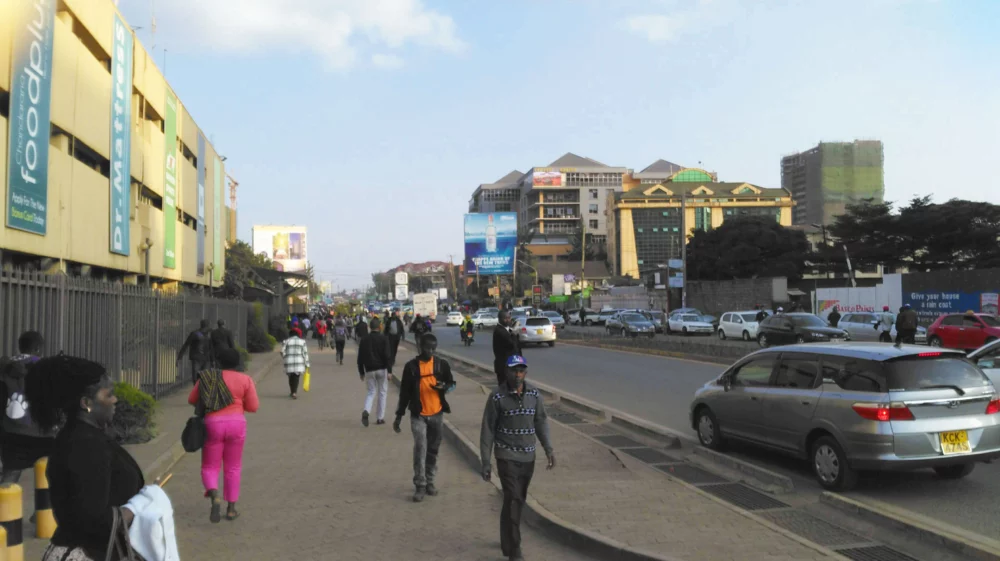
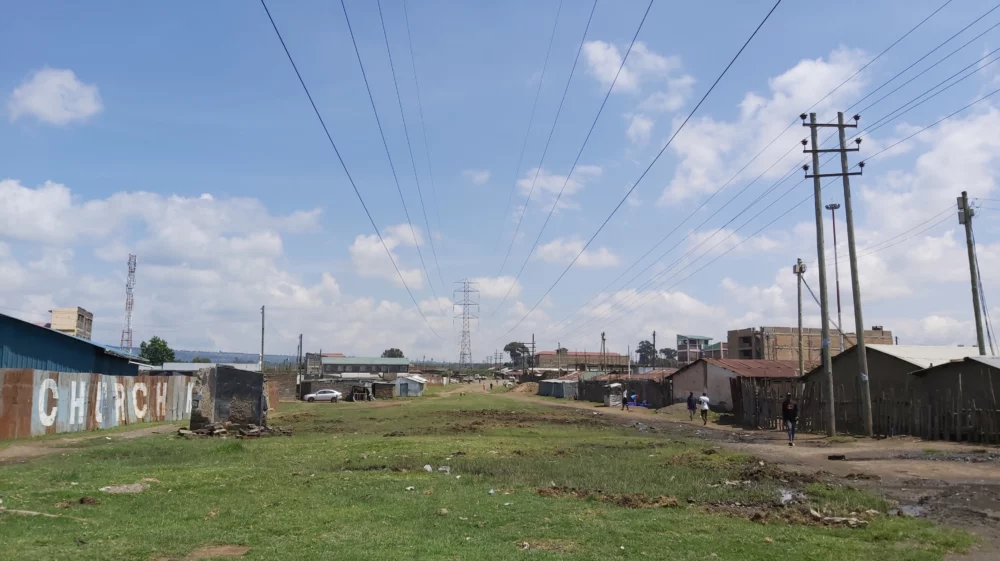
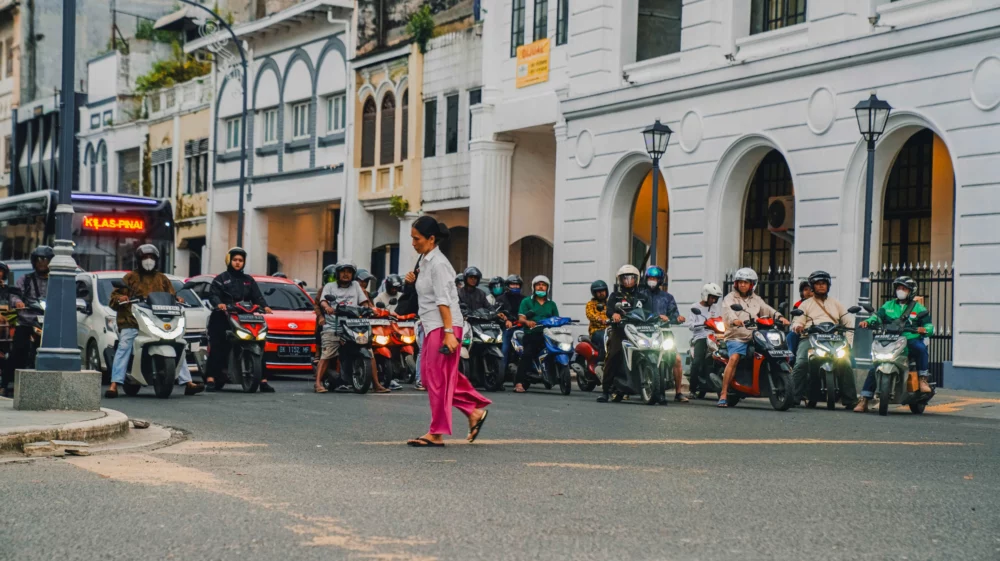
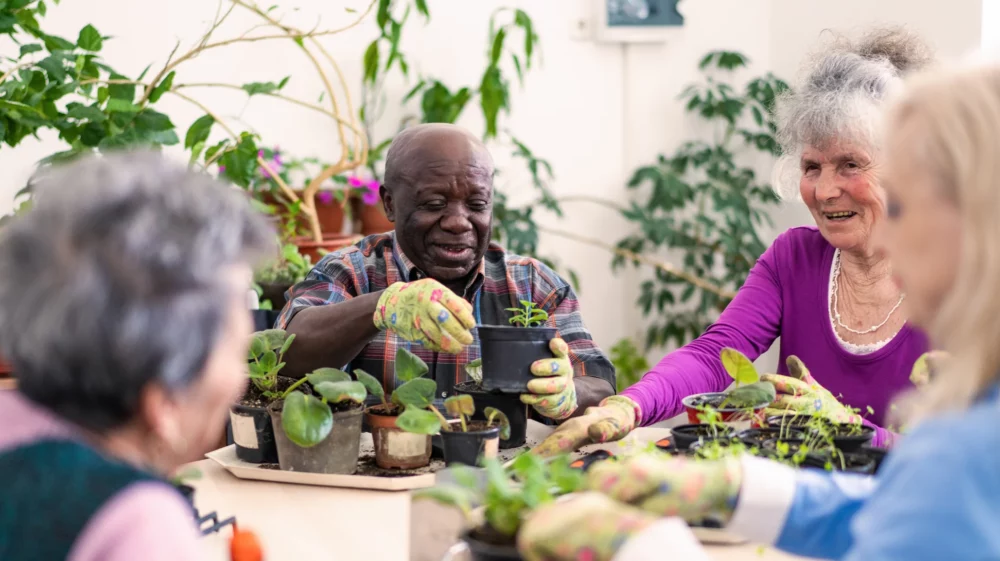
We investigate how places shape health and wellbeing to inform decisions that reduce inequalities and support more liveable, climate-resilient environments.
The Healthy, Equitable and Liveable Places (HELP) group at SEI York examines how environmental, social and economic conditions affect physical and mental health and quality of life. We explore why people experience environmental benefits and risks differently, and how these experiences change across places and stages of life.
Our research spans the health benefits of green spaces and waterways, sustainable and accessible transport and ageing in a changing climate. We investigate how the design and management of places can support wellbeing and inclusion, with particular attention to people whose needs are often overlooked.
Working across disciplines with communities, policymakers and practitioners, we develop evidence and practical tools to inform planning and policy. Our projects in the UK and internationally seek to reduce inequalities, cut emissions and help communities adapt to climate change.
For research enquiries and opportunities to collaborate, please get in touch with our Research Grouping Coordinator Gary Haq.
Explore findings, perspectives and stories from our research on places, health, wellbeing and equity.
Feature / Lessons from Bangkok’s pocket parks reveal how design and location shape health, inclusion and the way people use urban green spaces.
Read our research on environmental quality, mobility, inclusion and the health and wellbeing implications of climate change.
Other publication / Analyzes two projects through which older people's perspectives on climate change enabled the co-design of more inclusive, resilient and sustainable places.
SEI brief / This policy brief provides guidance intended to help Indonesia secure adequate funding to underpin sustainable and inclusive low-carbon transportation options.
SEI brief / This brief provides insights from a case study to help boost active travel in key cities in Indonesia.
Journal article / Equitable mobility requires more than infrastructure provision: examining users' overall journey experience provides more constructive insights.
Journal article / This study explores at risks in informal settlements from hazards and inequalities, highlighting the potential of nature-based solutions for equitable planning.
SEI brief / This SEI brief highlights how Indonesia can reduce greenhouse gas emissions and air pollution from road transportation, potentially leading to health benefits.
Our research combines environmental measurement and analysis with participatory and creative approaches to understand what makes places healthy, equitable and liveable.
Environmental monitoring, personal sensors and physiological measurements help us investigate pollution exposure and people’s responses to different environments. Through spatial analysis, we examine differences in environmental conditions and access to services. Our work also explores artificial intelligence (AI) and virtual reality to analyse environmental conditions and visualize potential changes.
Emissions and scenario modelling help us compare options for reducing emissions and assess their potential health, social and environmental benefits. Behavioural research examines how people use places and transport and what enables or limits change.
Participatory mapping, citizen science, co-design, storytelling and arts-based approaches help us understand lived experience and develop responses with communities. We seek to involve people whose perspectives are often underrepresented in research, planning and decision-making.
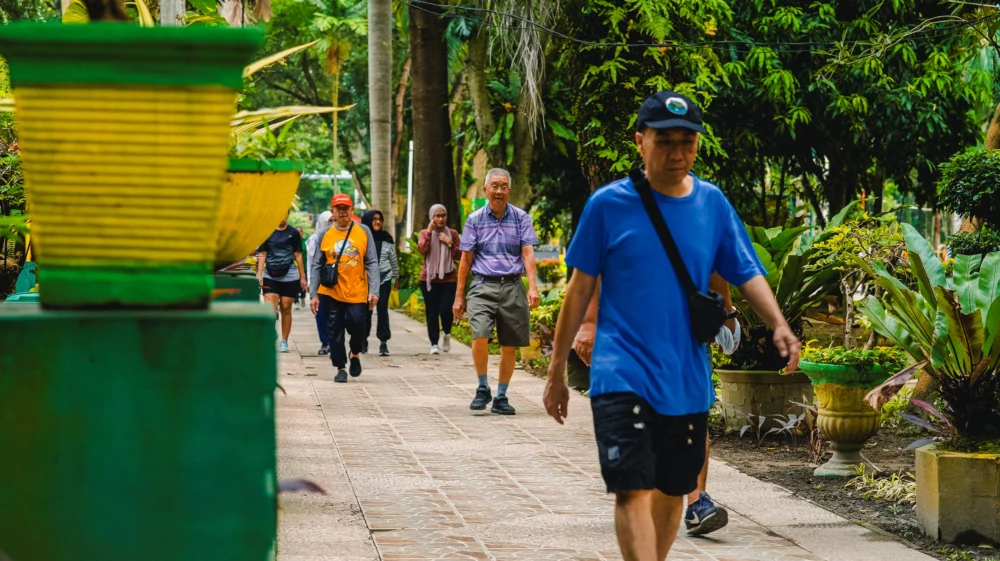
A "pocket park" in Bangkok, Thailand.
Steve Cinderby / SEI
Project / YPIP is a project that connects academics and policymakers in Yorkshire to create evidence-based policies for local communities.
Project / This project will support people with dementia and their communities to take part in inclusive, creative climate action that builds resilience and wellbeing.
Project / The project assessed how Bangkok’s pocket parks enhance urban wellbeing, accessibility, and environmental benefits, informing inclusive urban planning policies.
Tool / Unlock inclusive urban mobility with the Digital Mapping Toolkit, designed for participatory planning and equitable transport solutions.
Tool / The SEI Urban Toolbox for Liveable Cities is a collection of SEI tools, methods and approaches that can be used widely for urban planning and development.
Project / The project aims to provide technical support, a policy pathway and implementation roadmap towards sustainable and low-carbon transportation in Thailand.