Perspective / How is the war on Iran impacting affecting energy and transport systems around the world? In this analysis, SEI regional experts give their verdict.
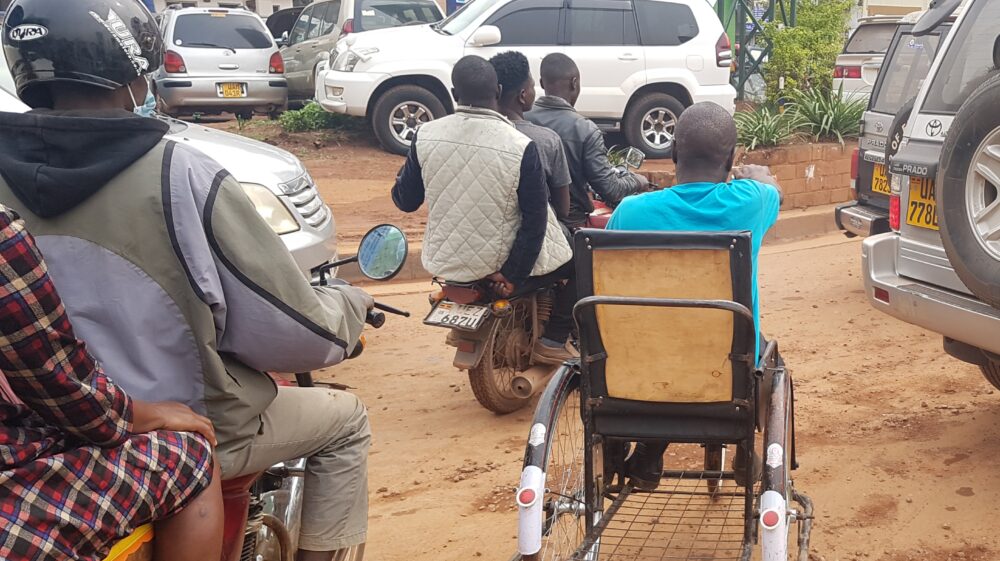
Feature / Learn how SEI works with partners to improve inclusive transportation in Africa.
Feature / A wide slate of new features makes LEAP easier to use and more comprehensive than ever for energy modelling, policymaking and research.
Feature / SEI’s project transformed a transit hub in Indonesia through community design, offering a replicable model for inclusive urban renewal.
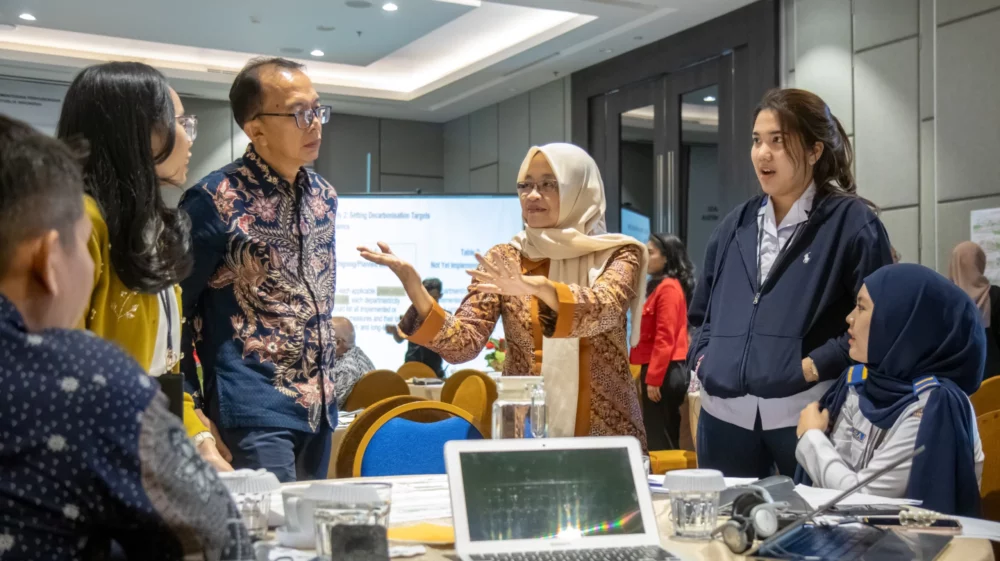
Feature / Workshop participants tested a new tool for planning strategies to reduce emissions, improve air quality and promote sustainable mobility across Indonesia.
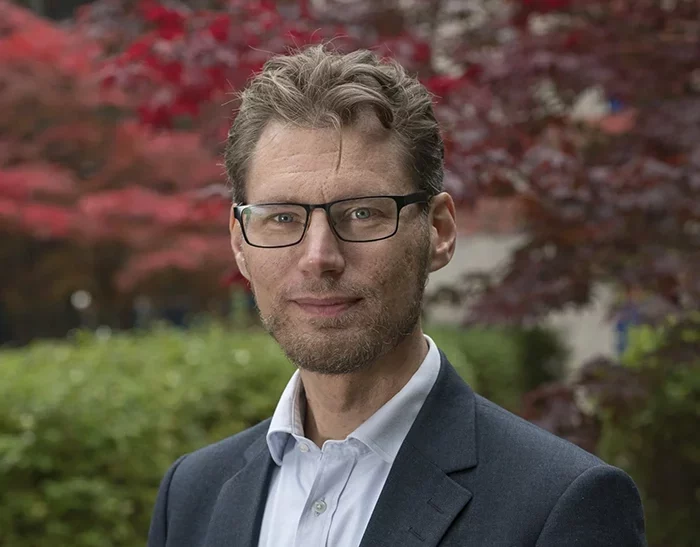
Feature / SEI’s Björn Nykvist has been named the 2025 awardee for his leadership in sustainable transport research.
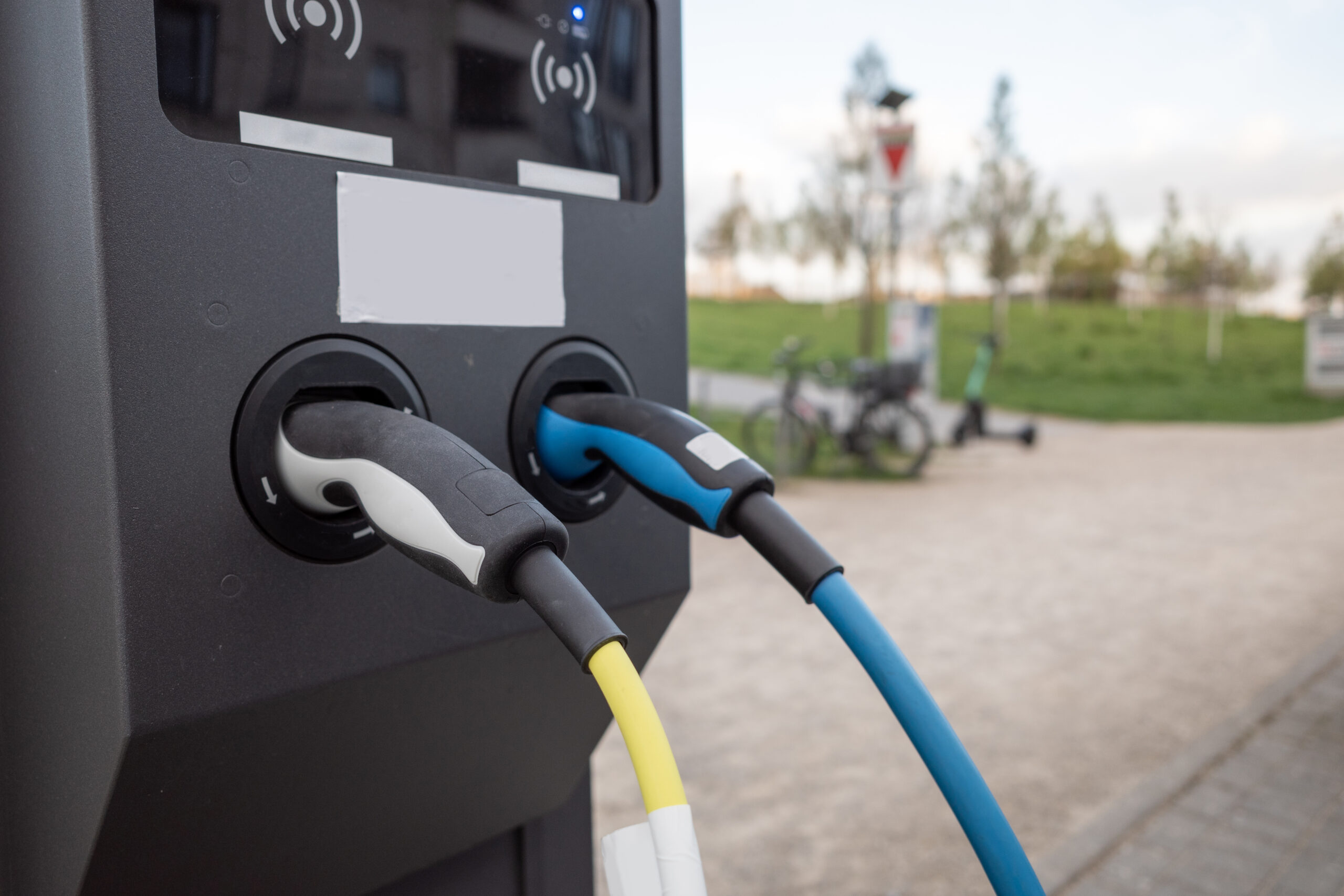
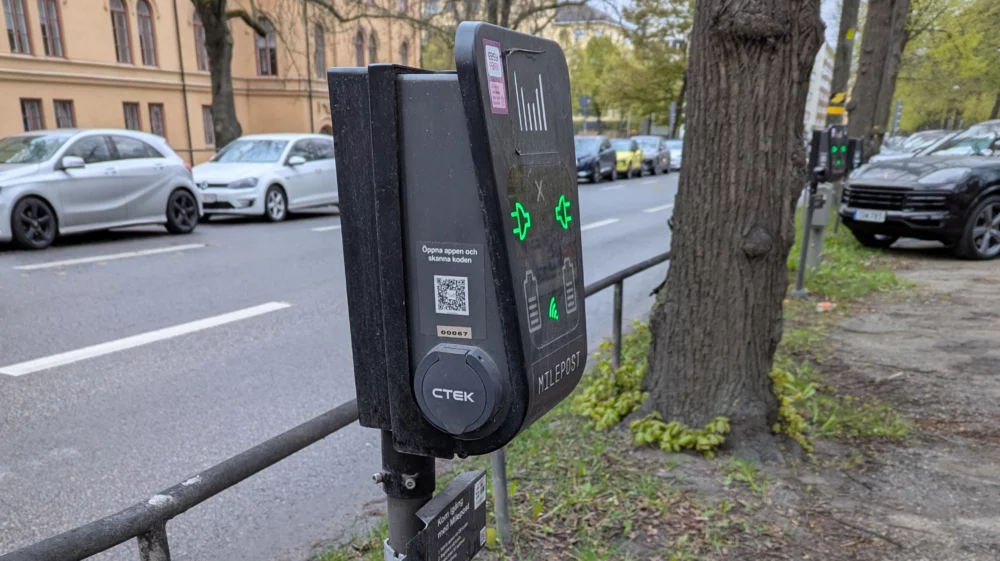
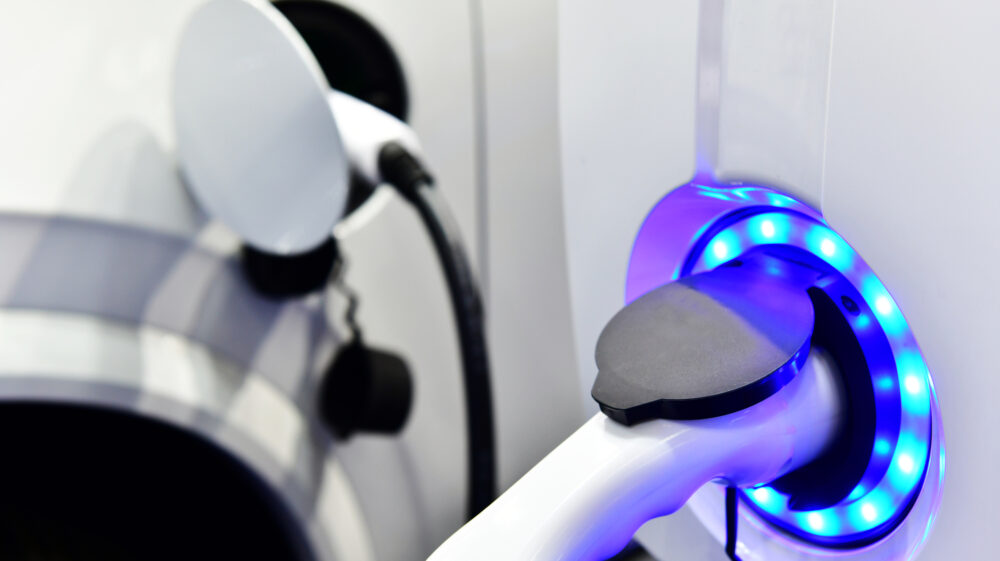
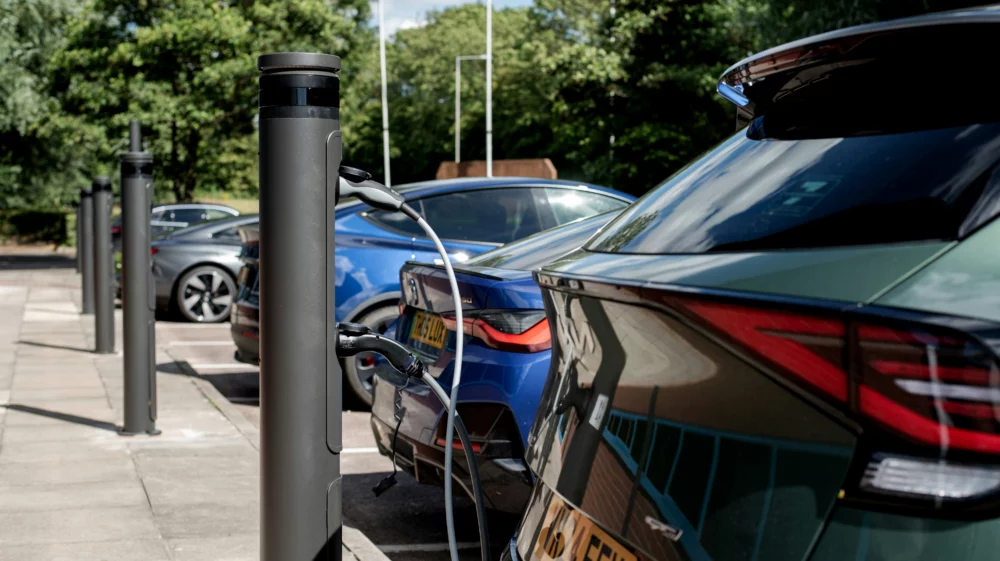
Perspective / Discover Europe's move towards green transportation with the AFIR, enabling wider electric vehicle use through infrastructural advances.
Feature / Learn how SEI’s guide is aiding companies in pinpointing and curbing their air pollution footprint.
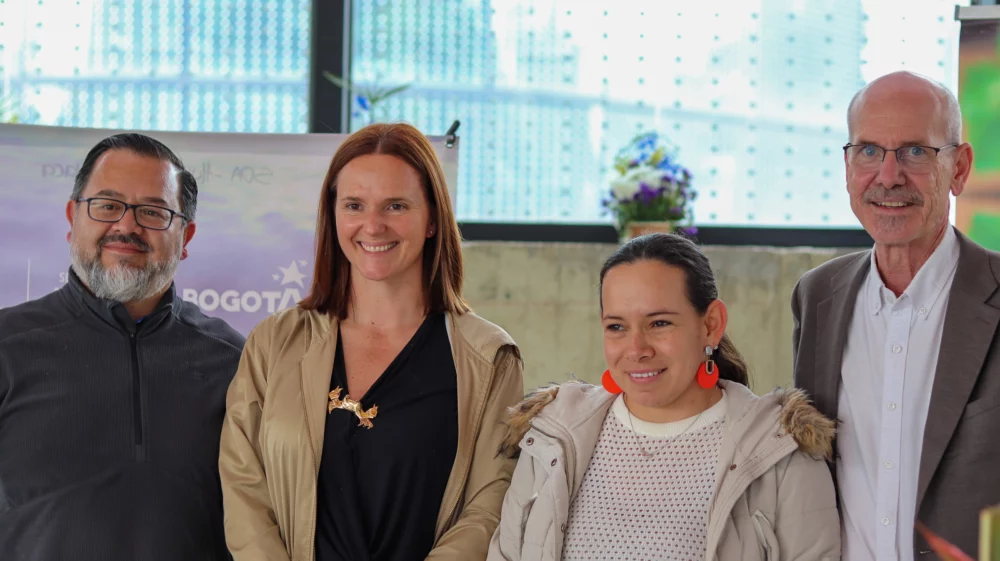
Feature / SEI and Bogotá’s environment agency are collaborating on an approach to reduce black carbon.
Feature / Non-traditional urban planning tools – think art and poetry – underpin new ways of co-designing city infrastructure to address health and mobility issues.
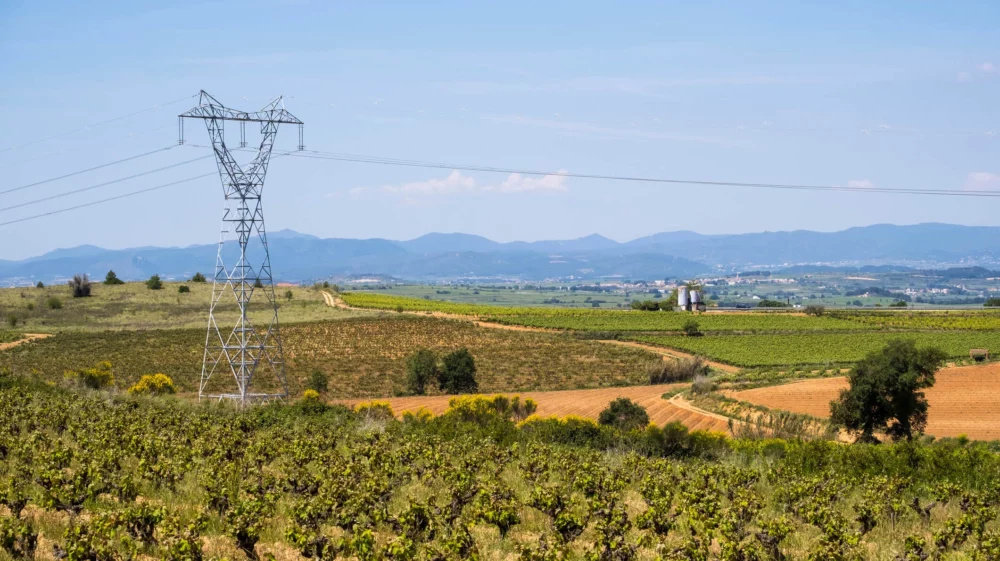
Perspective / The Spanish blackout shows Europe’s energy transition needs urgent grid investment, smarter technology and stronger resilience to avoid future failures.
Collection / This visual series explores how everyday journeys reveal inequality, access and belonging in cities.
Perspective / Insights from the JUSTIT project highlight the critical balance between environmental goals and workers' rights in Sweden.
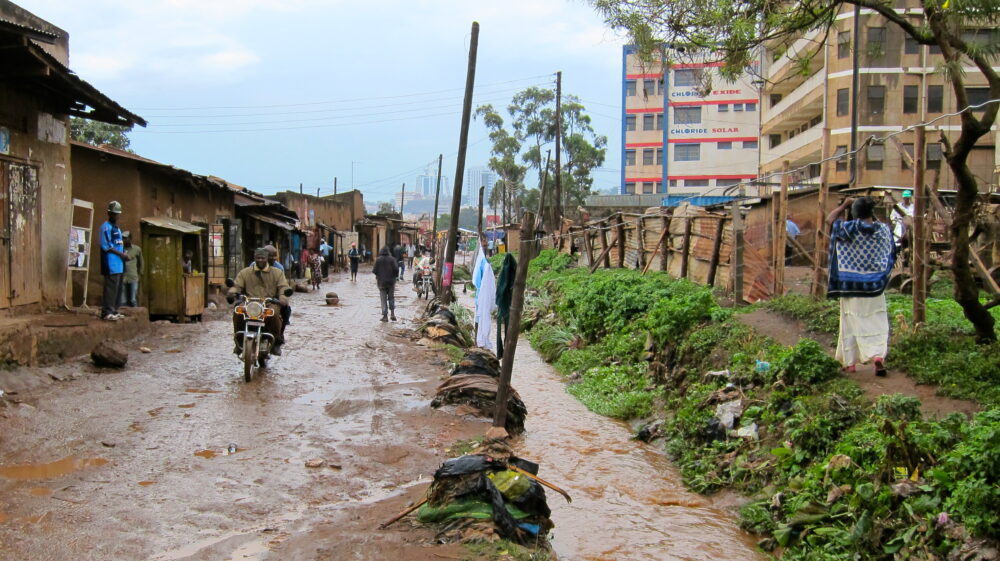
Perspective / This perspective highlights three major solutions to address the challenges faced by low-income and vulnerable transport users in African cities.
Perspective / Our project shines a spotlight on the potential of passenger cars, public transport and active mobility to help reduce Sweden’s transport emissions equitably.
Perspective / Current public procurement practices will not put the EU on track to meet its climate goals.
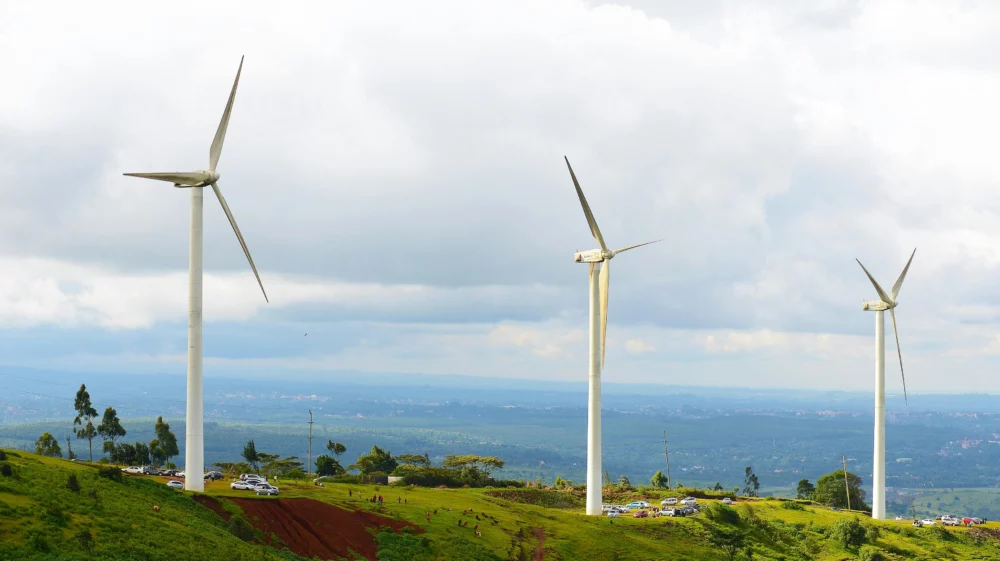
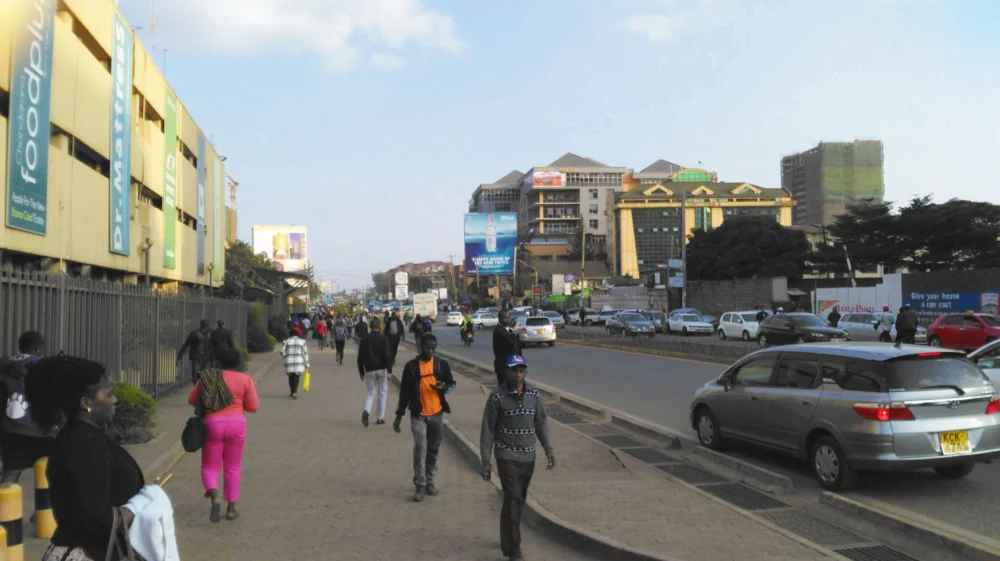
Perspective / SEI's Anderson Kehbila speaks about Kenya's power sector and the country's efforts in reducing carbon emissions.
Perspective / Discover Europe's move towards green transportation with the AFIR, enabling wider electric vehicle use through infrastructural advances.
Perspective / Jenniffer Pedraza explores how clean air pledges must be backed by action, collaboration and investment to deliver real health and equity gains.
Perspective / Global climate action can be won or lost in intermediate-sized cities. SEI experts offer insights on transport policy changes that can drive a greener future.
Perspective / SEI calls for a just, human-centred transport transition as COP30 launches the UN Decade of Sustainable Transport.
Journal article / The study defines “charging poverty” and proposes a framework to assess unequal access to reliable, affordable and inclusive electric vehicle charging.
SEI report / A six-step roadmap for transport businesses in Nigeria to cut their emissions – and at the same time improve their operations and finances.
SEI report / Coordinated regional and global responses can ensure that electrification supports a just transition, with regard to e-waste and battery recycling.
Journal article / This article systematically reviews global research on electric vehicle charging infrastructure demand.
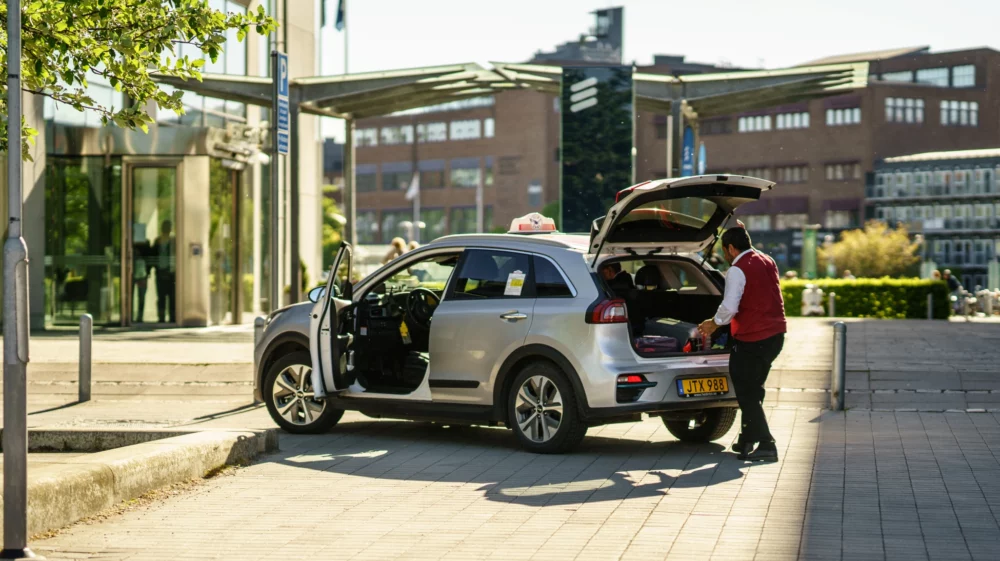
Journal article / The study explores how electrification, digitalization, and automation affect truck and taxi drivers’ work life, urging inclusion of drivers’ views in policy.
Journal article / The authors seek to provide a better understanding of how transportation relates to what individuals value for their quality of life.
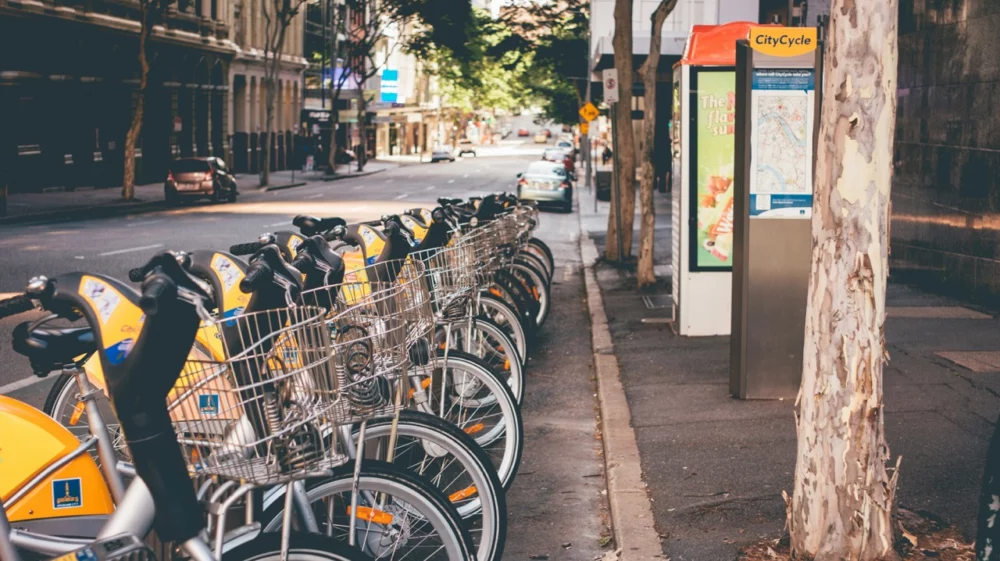
SEI brief / This brief provides insights from a case study to help boost active travel in key cities in Indonesia.
Other publication / This guidance document summarizes key concepts around transport inclusion, participation, and climate change and provides novel tools for increasing engagement.
Other publication / Understanding the challenges of inclusivity and climate resilience in transport planning in Africa: results of a needs assessment in 4 countries.
SEI brief / This policy brief provides guidance intended to help Indonesia secure adequate funding to underpin sustainable and inclusive low-carbon transportation options.
Journal article / This study examines progress on battery electric vehicles (BEVs), including where long-range BEVs can be produced at similar costs to conventional cars.
Journal article / It is important to understand the lower boundary of battery costs for modelling long-term global energy transitions in the transition to electric vehicles.
Journal article / Equitable mobility requires more than infrastructure provision: examining users' overall journey experience provides more constructive insights.
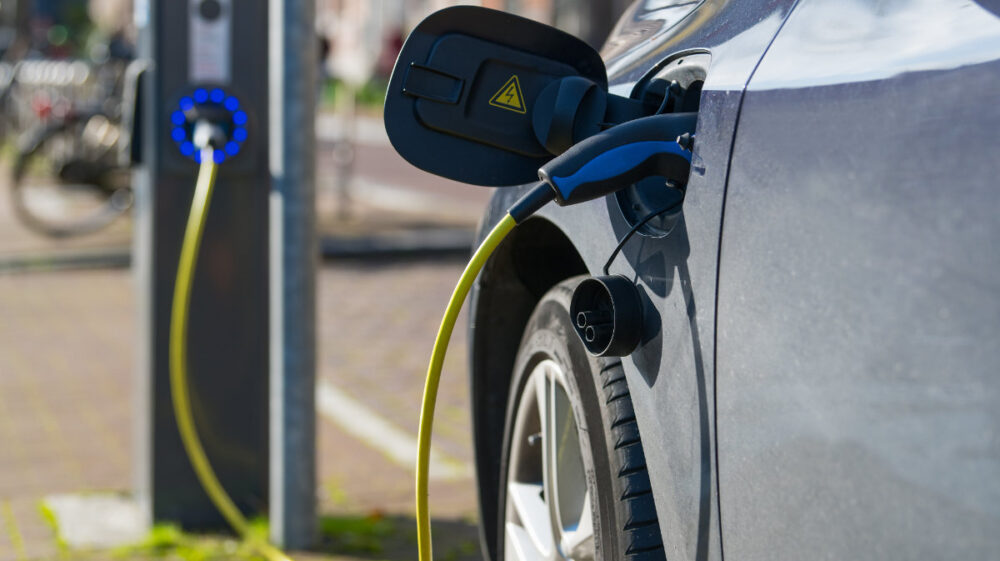
SEI brief / Electric vehicle (EV) sales are rising; charging infrastructure will be key to successful integration in fossil free transport.
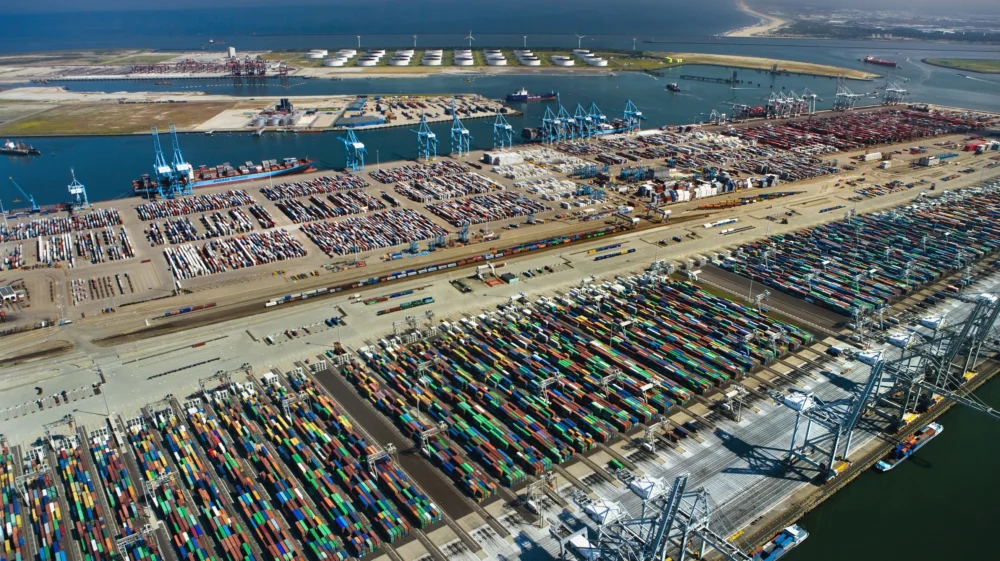
SEI brief / Precise calculations of the carbon emissions and air pollution linked to a commodity shipment by sea are now possible with a new data-driven methodology.
Journal article / Integration of the needs of various groups is essential when aiming to achieve environmentally, socially, and economically sustainable mobility in rural areas.
Journal article / This paper analyses the challenges and complexities surrounding durable solutions for internally displaced people (IDPs) in Tacloban City, Philippines.
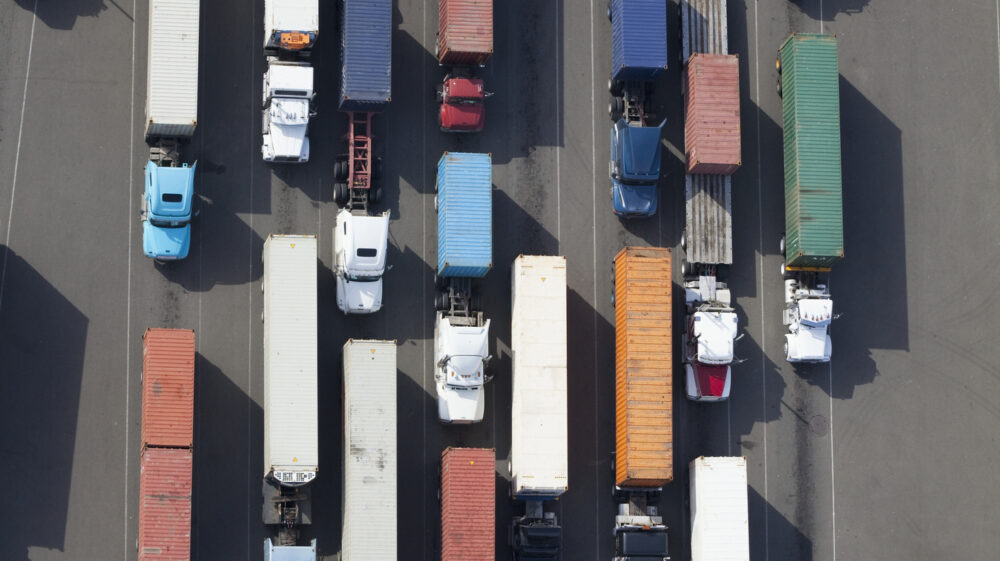
SEI brief / Technology and climate mitigation are driving a transformation in road freight. The brief sets out the benefits and challenges for sustainability in the sector.
Collection / This visual series explores how everyday journeys reveal inequality, access and belonging in cities.
Project / This project uses mathematical modelling tools and techniques to enable local stakeholders to make equitable transportation planning decisions.
Project / This project models transport impacts to help mid-sized Latin American cities make cleaner, healthier urban planning decisions.
Project / The project boosts public–private collaboration to deliver inclusive climate and clean air transport initiatives in Nigeria.
Project / Meeting the mobility needs of disadvantaged groups in a changing climate.
Project / This project seeks to understand tensions in future consumption patterns in Sweden to ensure a fair transition to a fossil-free welfare society.
Project / Applying SPT, SEI will analyze the complex interactions of Bogota’s urban transport practices in order to explore possibilities for intervention.
Project / Accelerating low carbon transport policies and plans that meet the mobility needs of marginalized groups in Indonesia.
Project / Understanding health and wellbeing impacts of mobility and co-designing mobility infrastructure improvements.
Project / The JUSTIT project assesses the impact of low-carbon transition on transport workers in Sweden to inform the design of just transition policies and strategies.
Project / The project aims to provide technical support, a policy pathway and implementation roadmap towards sustainable and low-carbon transportation in Thailand.
Tool / Unlock inclusive urban mobility with the Digital Mapping Toolkit, designed for participatory planning and equitable transport solutions.
Initiative / This initiative investigates how rapidly growing cities affect residents' wellbeing and how this interacts with the overall health of city systems.
Project / SEI Tallinn analyses the necessary measures in Estonia to reduce the vulnerability of people and businesses in transitioning to a climate-neutral economy.
Project / Programmi "Ohutu koolitee" eesmärk on muuta turvalisemaks Tallinna koolide ümbrused, innustamaks lapsi liikuma jala, rattaga või ühistranspordiga.
Project / This project examines strategies to enhance the resilience of public transport amid the shift to new technologies and evolving user behaviours.
Project / SEI will conduct an evidence synthesis from Swedish and international studies on varying charging infrastructure needs across different vehicles and users.
Project / The project studies the challenge of reaching fossil-fuel-free freight transport in the Swedish forest sector.
Project / The University of York SEI Centre implements customized capacity-building programs on active mobility in African transport structures on the HVT project.
Project / 15-minute cities propose urban redesigns aiming to cut carbon emissions and improve quality of life.
Project / The project incorporates SLCPs and other air pollutants into the GLEC Framework on emissions tracking for businesses.
Tool / The Low Emissions Analysis Platform (LEAP) is a powerful, versatile system for energy planning and climate change mitigation assessment.
Perspective / Global climate action can be won or lost in intermediate-sized cities. SEI experts offer insights on transport policy changes that can drive a greener future.
Perspective / SEI calls for a just, human-centred transport transition as COP30 launches the UN Decade of Sustainable Transport.
Past event / Join experts to explore how electric mobility can support climate action while making transport fair for countries, regions and communities.
Perspective / Global climate action can be won or lost in intermediate-sized cities. SEI experts offer insights on transport policy changes that can drive a greener future.
Feature / At the Bangkok Climate Action Week 2026, SEI Asia will showcase research and build pathways for climate action through science, dialogue, and engagement.